
Essential Warning Signs of Hidden Roof Leaks
Finding a sudden brown water stain on your living room ceiling can be a homeowner's worst nightmare. Unfortunately, by the time water visibly drips into your living space, the underlying problem has likely been developing for weeks or even months. For homeowners in San Antonio, navigating extreme summer heat, sudden heavy downpours, and intense spring hail events means your property's primary defense takes a constant beating. Identifying hidden residential roof leaks before they cause major structural damage can save you from costly interior repairs, mold remediation, and unnecessary stress.
Water is incredibly resourceful. It rarely travels in a straight line, meaning the drip over your kitchen island might actually be originating from a compromised flashing point twenty feet away. Because of this, it is crucial to understand what goes on above your ceiling. Routine inspections and knowing exactly what to look for can mean the difference between a minor maintenance task and a massive home restoration project.
At Persistent Roofing, we frequently help homeowners who are surprised by sudden interior water damage. To help you protect your investment, we have compiled a guide to spotting the sneaky indicators of water intrusion so you can address small issues before they become major emergencies.
Look Up: Spotting Trouble in the Attic
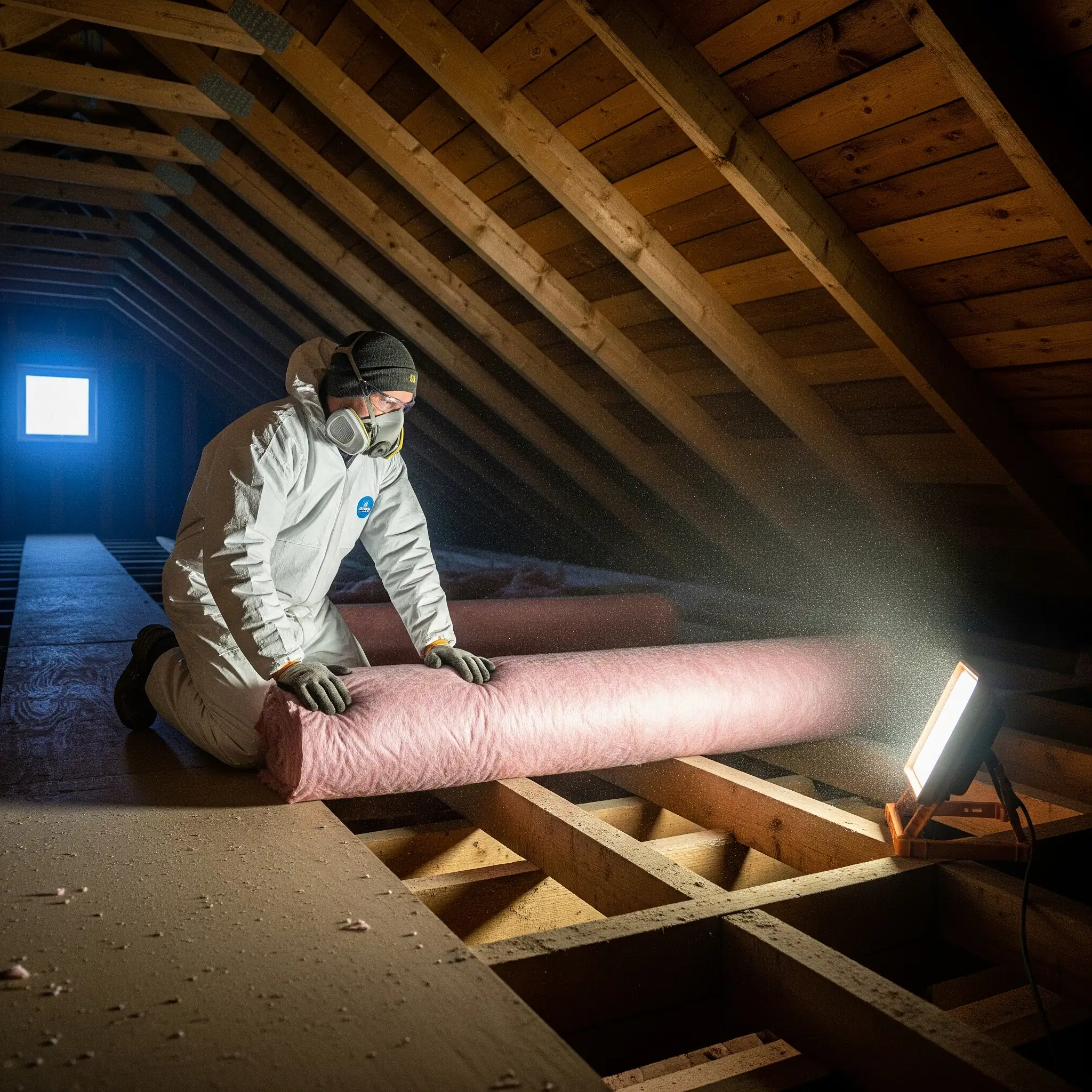
Your attic is the first line of defense between your roof deck and your living space, making it the best place to catch a problem early. If you want to know how to find roof leak source locations, grabbing a flashlight and safely navigating your attic space during the day is an excellent starting point.
One of the most common early signs of attic roof leaks is darkened, damp, or compressed insulation. When water slowly drips onto fiberglass or blown-in insulation, it compresses the material and severely reduces its energy efficiency. You should also look closely at the wooden rafters and roof decking. Look for dark water stains, streaks running down the wood, or any signs of white or black mold.
Another critical indicator is a persistent musty odor. If your attic smells damp or mildewed, moisture is getting in somehow. In the Alamo City, where extreme heat requires optimal attic ventilation, trapped moisture from a hidden leak can create a greenhouse effect, accelerating wood rot and deteriorating your roof decking from the inside out. Always check around roof penetrations, such as vents, exhaust pipes, and skylights, as these are the most common failure points for seals and flashing.
Exterior Clues and Storm Damage
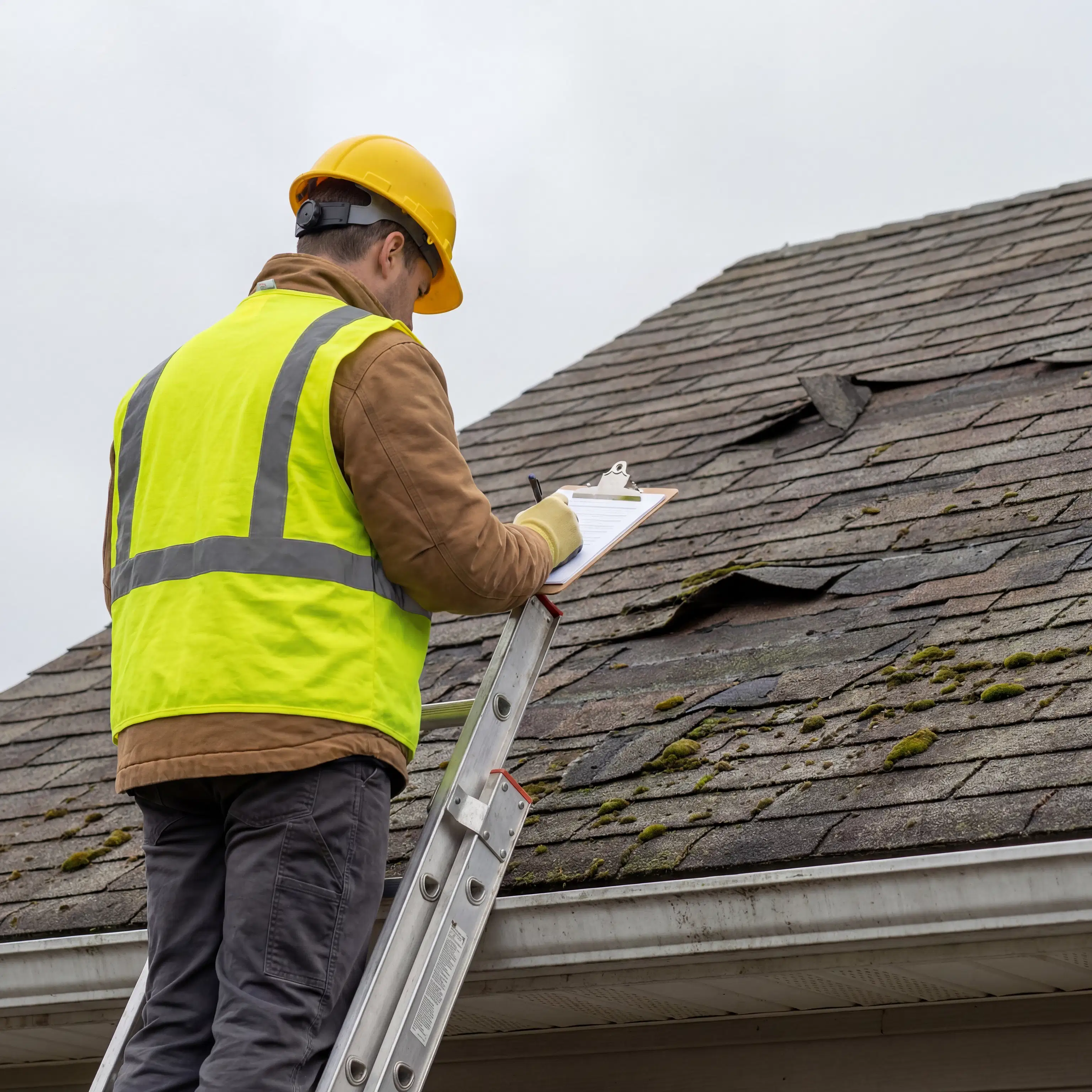
While attic inspections are revealing, examining the exterior of your roof from the ground can also provide essential clues. Look for missing, cracked, or curling shingles. When asphalt shingles bake in the intense Texas sun, they can become brittle and lose their protective granules. If you find an accumulation of shingle granules in your gutters or downspouts, your roof is losing its ability to shed water effectively.
Storm damage is a frequent culprit for sudden leaks. After a severe weather event, many neighborhoods see an influx of out-of-state storm chasers knocking on doors. It is always safer to trust a licensed, local contractor who understands state regulations, like Texas HB 2102 regarding insurance deductibles, and who will be around long after the storm season passes. Hail can bruise shingles, compromising their fiberglass matting and allowing water to slowly seep through over time. If you suspect your home has sustained hail damage, it is critical to reach out for professional roof leak repairs to secure the envelope of your home before the next rainstorm hits.
Additionally, pay attention to the flashing around chimneys, valleys, and walls. Flashing is designed to direct water away from critical seams, but over time, the sealant can dry out and crack, or the metal itself can rust or lift, creating a direct pathway for water to enter your home.
When a Repair Becomes a Replacement
Homeowners often wonder whether a persistent leak means they need a quick patch or a completely new roof. The answer largely depends on the age of your roofing materials and the extent of the damage. If your roof is approaching the 15 to 20-year mark, or if you are dealing with multiple leaks across different areas of the home, a full roof installation might be the most cost-effective and secure option. Modern roofing systems also offer fantastic energy efficiency benefits, such as cool roof technology that reflects sunlight, which can noticeably lower your summer cooling bills.
At Persistent Roofing, we believe in transparent, honest assessments. We utilize advanced drone-based inspections to get a comprehensive view of your roof's condition without causing unnecessary foot traffic on fragile shingles. We provide detailed reports and will always clearly explain the difference between what can be reliably repaired and what requires replacement.
If you have noticed any of these warning signs, or if you simply want the peace of mind that comes with a professional evaluation, do not wait for a drip to turn into a downpour. Contact us today to schedule a thorough roof inspection. As a trusted local contractor serving San Antonio and the surrounding communities, we are here to provide reliable craftsmanship and keep your home safe, dry, and protected for years to come.