
Navigating Alamo City Historic District Roofing Standards
Owning a historic home is a unique privilege, especially in a culturally rich area like San Antonio. From the stunning Spanish colonial architecture to the charming craftsman bungalows, these properties are a testament to our local heritage. However, maintaining that classic charm comes with its own set of challenges, particularly when it's time to address the roof over your head. If you live Inside the Loop, you already know that updating your home isn't as simple as picking out new shingles and getting to work. Preserving the architectural integrity of these neighborhoods requires strict adherence to local guidelines and a deep understanding of specialized craftsmanship.
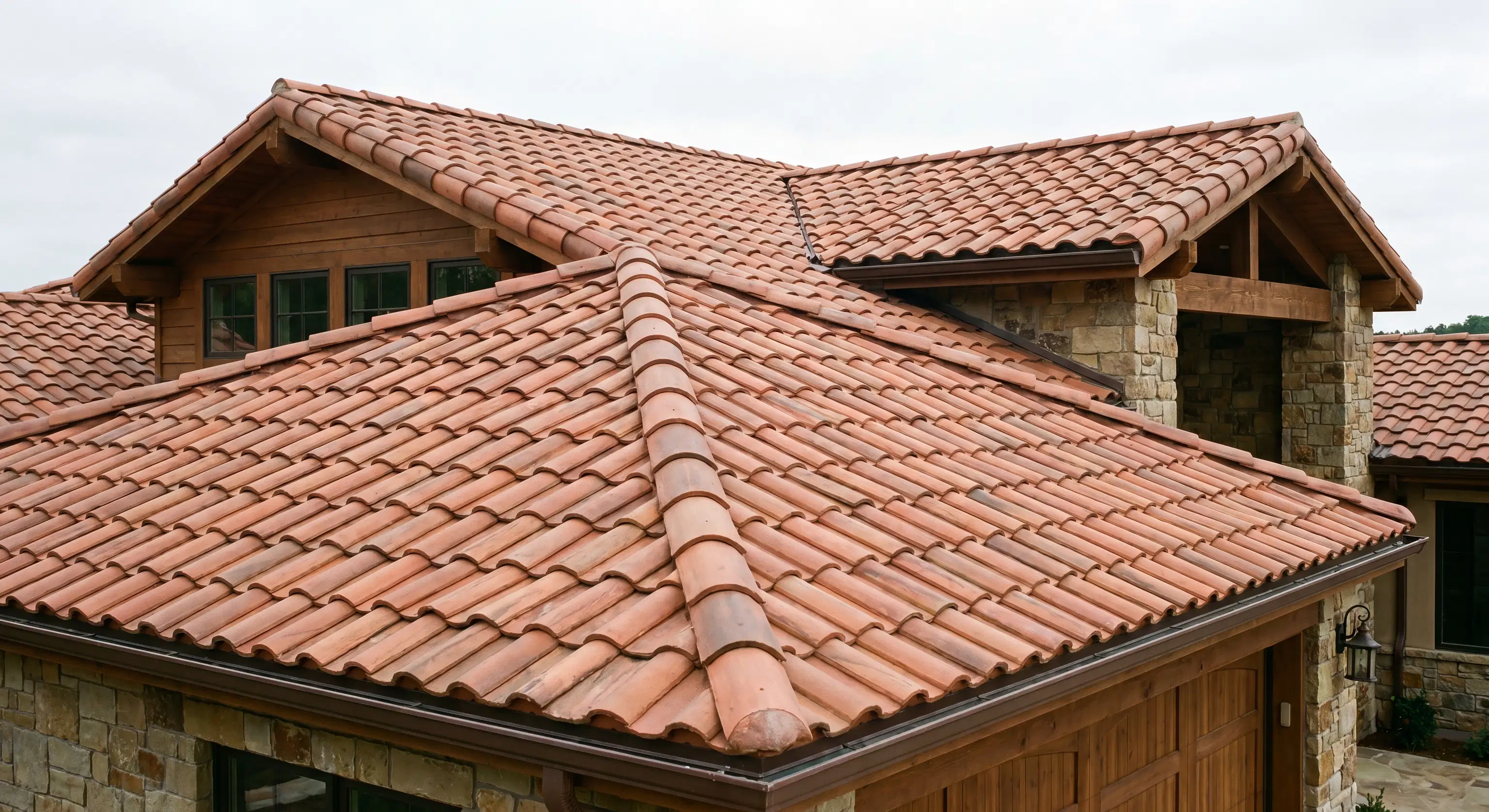
Understanding Historic District Roofing Permit Requirements
When it comes to historic properties, the city has established specific rules to ensure that any exterior modifications maintain the neighborhood's original character. Navigating historic district roofing permit requirements can feel overwhelming for many homeowners. Whether you reside in the King William area or another designated historic neighborhood, you cannot simply tear off an old roof and install a modern alternative without approval from the local historic preservation office.
Do I need a city permit to replace my roof? Absolutely. For historic homes, the permitting process is even more rigorous and time-consuming than a standard residential project. The architectural review board will heavily scrutinize the proposed materials, colors, and even the installation methods to ensure they align perfectly with the era in which your home was built. King William district roofing permits, for example, often require detailed architectural plans, historical photographs of the property, and physical material samples before any work can begin. Failing to secure these approvals before starting construction can result in hefty fines, stop-work orders, and the heartbreaking reality of having to completely undo completed work at your own expense.
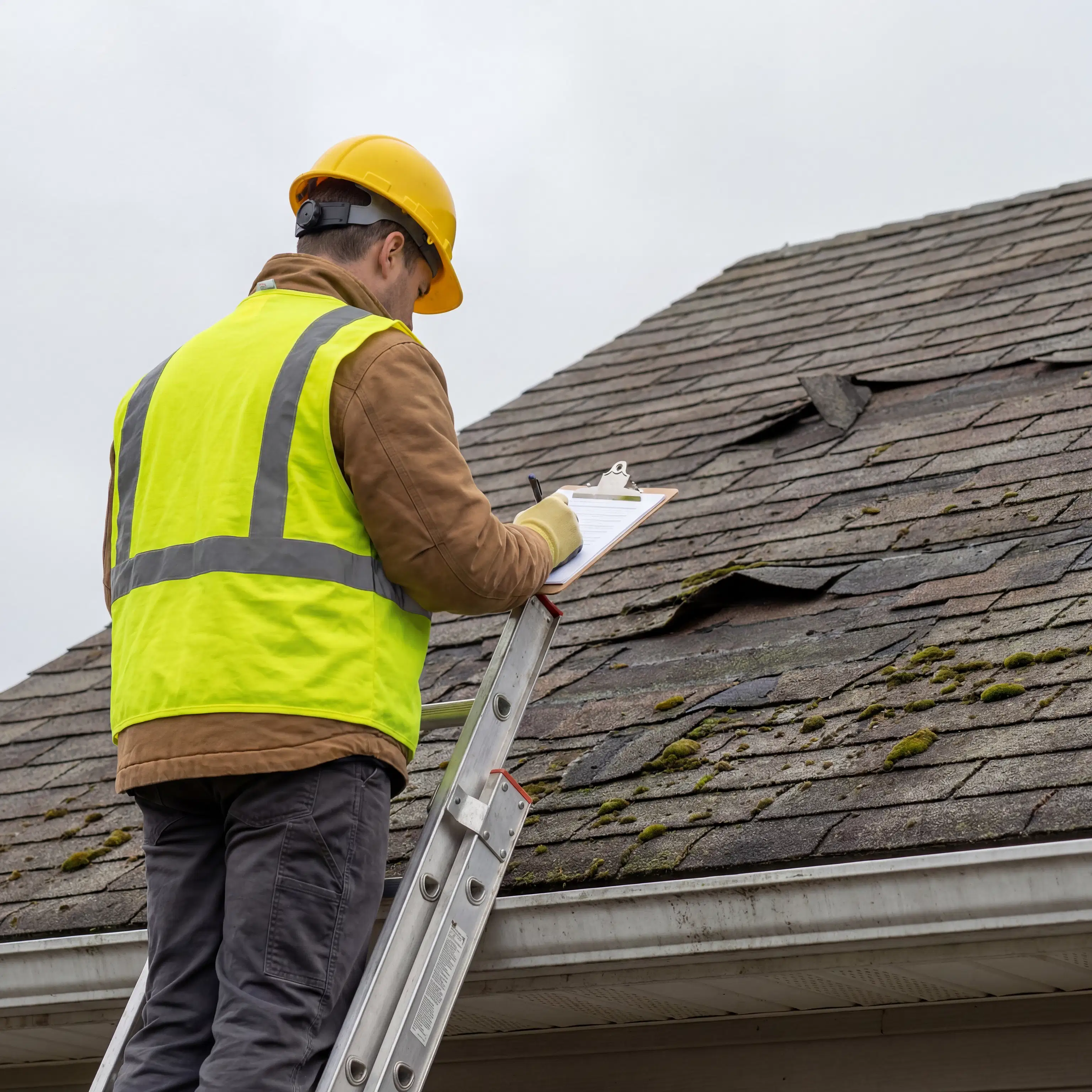
Historic Roof Restoration Techniques and Materials
One of the most common questions homeowners ask is about the difference between a minor fix and a complete overhaul. Sometimes, preserving the original materials through targeted roof repair is the best course of action. Expert historic roof restoration techniques focus on salvaging as much of the original structure as possible. This highly specialized work might involve carefully removing and reinstalling century-old clay tiles, repairing intricate copper flashing, or sourcing reclaimed slate to match the existing weathering.
However, when a roof has sustained severe hail damage or has simply reached the end of its functional lifespan, a full replacement becomes necessary. This is where selecting the right materials is absolutely crucial. You need options that satisfy Monte Vista architectural roofing guidelines while also providing modern energy efficiency to combat our extreme summer heat. While traditional asphalt shingles might be suitable for newer suburbs, historic homes often require specialized materials like slate, standing seam metal, or custom-milled wood shingles. The good news is that modern roofing technology allows us to install advanced, energy-efficient underlayments and radiant barriers beneath these traditional materials. This means you can honor the home's legacy and maintain its classic aesthetic while significantly lowering your high summer energy bills.
The Importance of Choosing a Trusted Local Expert
After a severe spring storm, it is unfortunately common for out-of-state storm chasers to flood the area, offering quick fixes and unbelievably low prices. For owners of historic homes, hiring an inexperienced or unvetted contractor is a massive risk. These temporary crews rarely understand the nuances of local preservation codes and almost always lack the specialized skills required for historic roof restoration. Furthermore, they are often long gone by the time a leak develops or a warranty issue arises.
Protecting your investment means partnering with a contractor who has deep roots in the community and a proven track record of navigating complex regulatory compliance. A reputable local roofer will handle the entire permitting process for you, provide transparent pricing, and offer strong warranties on both materials and workmanship. They will also assist you in navigating complex insurance claims, ensuring that your provider understands the true cost of replacing historically accurate materials. When it is time for a complete reroof, you need a team that respects your home's history as much as you do, ensuring that every detail aligns with the strict standards of your specific neighborhood.
Protect Your Piece of History
Maintaining a historic home is a labor of love, and your roof is its first line of defense against the elements. By understanding the unique permitting requirements and investing in historically accurate materials, you can preserve your property's beauty and structural integrity for generations to come. Don't leave your historic home in the hands of inexperienced contractors who don't understand our local preservation standards.
If you are dealing with storm damage, leaks, or simply an aging roof on your historic property, Persistent Roofing is here to help. We have the expertise to navigate complex preservation guidelines and deliver exceptional craftsmanship tailored to your home's unique needs. Contact us today to schedule a comprehensive inspection and learn more about our specialized roofing services in San Antonio.